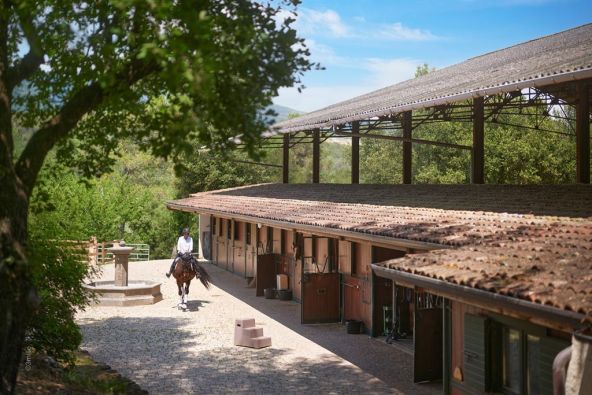
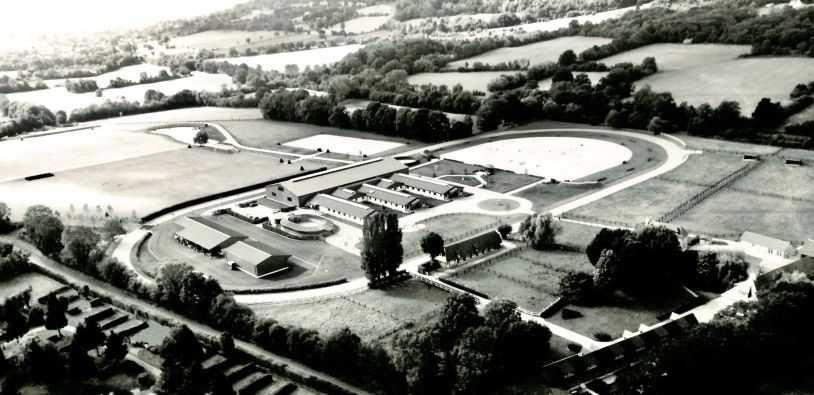
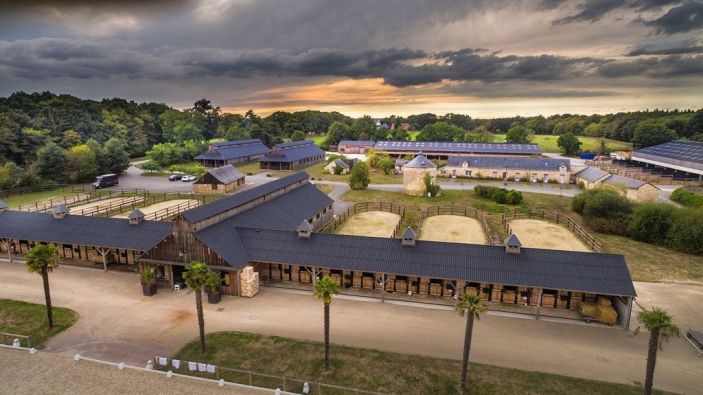
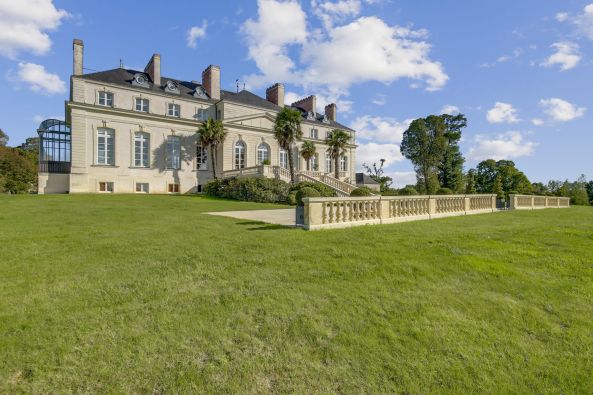
A few regions concentrate the facilities, the competitions and a long equestrian tradition. The table below sets out what each one covers.
| Region | Equestrian profile | Typical property |
|---|
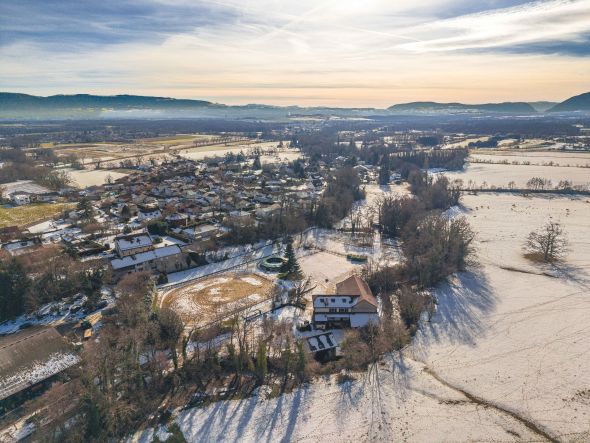
| Normandy (Pays d'Auge, Deauville) | The historic home of the horse in France: breeding, yearling sales, racecourses | Stud farms, half-timbered manors with outbuildings, farmhouses |
| Île-de-France and Sologne | Close to the show circuit, hunting country, forests | Wooded estates, hunting properties with stables |
| South West (Pau, Gers, Landes) | Show jumping, racing, eventing, a mild climate | Agricultural estates, manor houses with land |
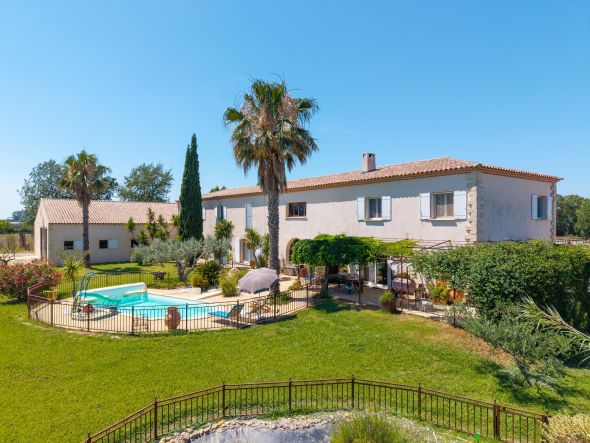
| Provence and the South (the Camargue, the hinterland) | Endurance, dressage, riding all year round | Mas and bastides with facilities, open-air properties |
What to check on an equestrian estate
An equestrian purchase commits you to technical factors specific to the activity, to be checked before making an offer.
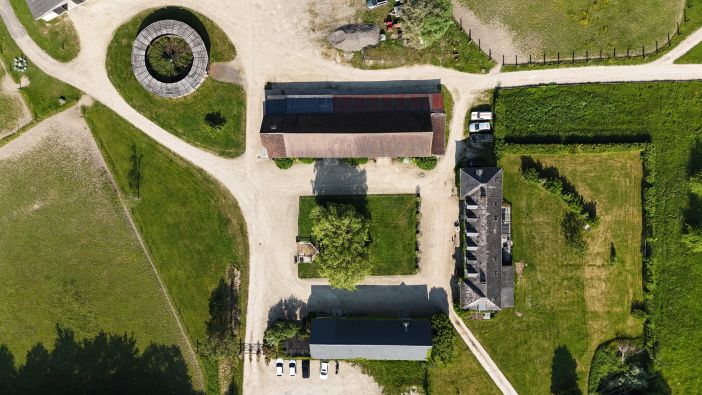
- The facilities: the dimensions of the indoor and outdoor arenas (commonly 20 by 40 metres for club use, 20 by 60 metres for competition dressage), the headroom of the covered arena, the type and drainage of the surfaces, water and power to the boxes, hay and straw storage.
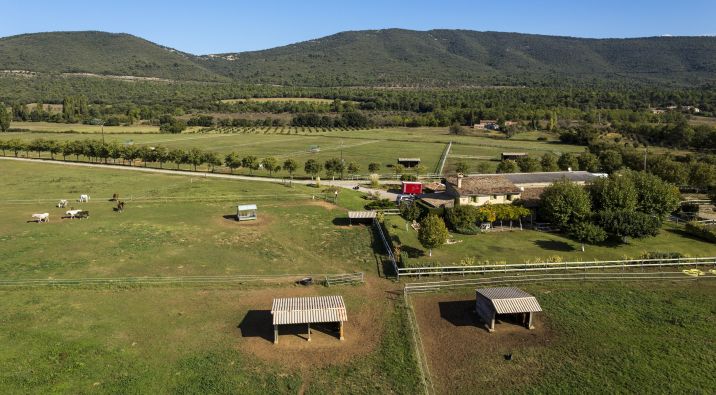
- The land: the grazing acreage that can genuinely be used, fencing, field shelters, access to bridle paths, water for irrigation.
- The status of the activity: an equine breeding operation may fall under the agricultural regime; a riding centre open to the public is subject to public-access rules and may require specific permits.
- Planning: an arena, an outdoor school or an extension of the buildings all require authorisation; check the local planning zoning and any easements.
The advantages of the Sotheby's International Realty® network
Working with the luxury property experts at Sotheby's International Realty means drawing on proven know-how and a network established in France and many other countries. Our consultants know the regional markets and the technical specifics of equestrian estates, from stables to arenas and grazing.
Whether you want to buy an equestrian estate for your own horses, develop a horse-related business or sell an exceptional property, our teams support you at every stage, with bespoke services and a presentation suited to each property's positioning.
Frequently asked questions
What is the difference between an equestrian property and a stud farm?
An equestrian property is a home with facilities to keep your own horses, for private use. A stud farm is an estate geared toward breeding and reproduction, with more land and heavier infrastructure.
How much land do you need for an equestrian property?
It depends on the number of horses and the use. As a rough guide, around one hectare of grazing per horse is often cited for year-round pasture, on top of the footprint of the buildings, the arena and the outdoor school.
Can you run a riding centre on an equestrian property?
It is possible but regulated: opening to the public means meeting the rules that apply to establishments open to the public and, in some cases, obtaining planning permission and registering the activity. To be studied case by case before buying.
Where should you buy an equestrian property in France?
Normandy remains the reference region for breeding. Île-de-France and the Sologne offer proximity to the show circuit, the South West around Pau a strong show-jumping and eventing culture, and Provence favourable conditions all year round.
Does a breeding stud farm have agricultural status?
An activity of preparing, training and breeding horses can be recognised as an agricultural activity, with the corresponding tax and social implications. This should be confirmed with a notaire or a specialist adviser depending on how the estate is set up.